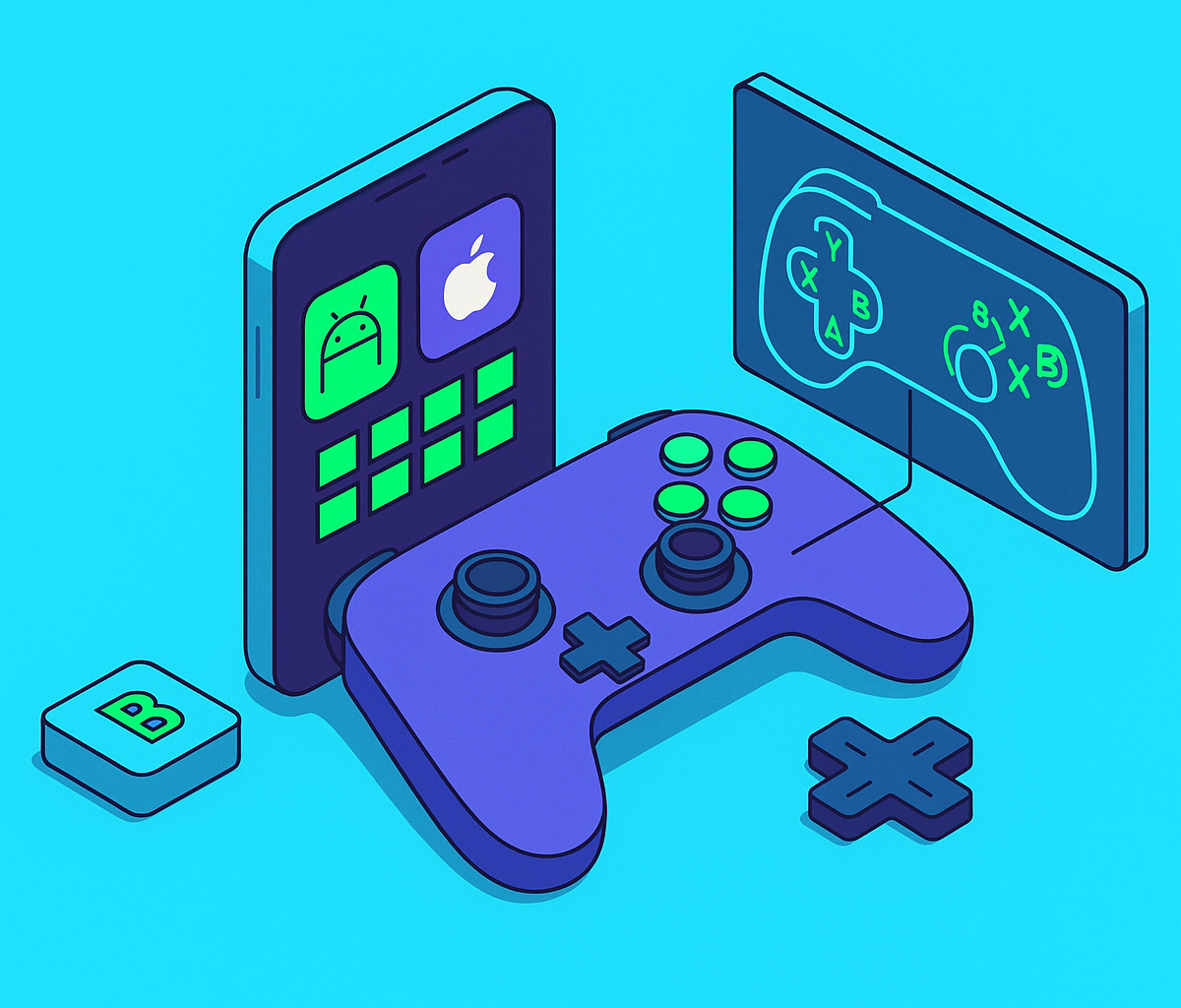
officially licensed mobile controllers for PlayStation and Xbox
Mobile gaming pulled in $103 billion in 2025, according to Newzoo. That's more than half the entire global gaming market, and more than double what console gaming made, and PlayStation and Xbox noticed eventually and started putting their names on phone controllers instead of pretending the category didn't exist. This piece looks at what "officially licensed" means once you're holding the thing in your hands, and whether the label is worth the premium it usually costs.
Mobile revenue grew 63% between 2020 and 2025, while console grew about 7% over the same stretch. More than half of mobile gamers also play on console, so mobile is the front door most players walk through first, and there are roughly 3 billion mobile players against 645 million on console. Look at those two numbers side by side and the decision explains itself: PlayStation and Xbox put their logo on mobile controllers because the customers were already standing right there, phones in hand, wallets open.
What "officially licensed" actually means in hardware terms
The hardware gets tested against specs the platform holder writes, and it fails or it passes before anyone slaps a logo on the box.
The testing covers specific ground. Input mapping has to match the platform's own pad exactly: triangle, circle, X, and square behaving like they do on a DualSense, or A, B, X, Y feeling like the controller sitting on your coffee table right now. Firmware has to talk cleanly to PS Remote Play and Xbox Cloud Gaming, the two services doing the actual heavy lifting, with no third-party bridge app duct-taping the connection together. There's a latency ceiling, physical durability requirements, and safety testing on top of whatever general electronics certification the product needed anyway.
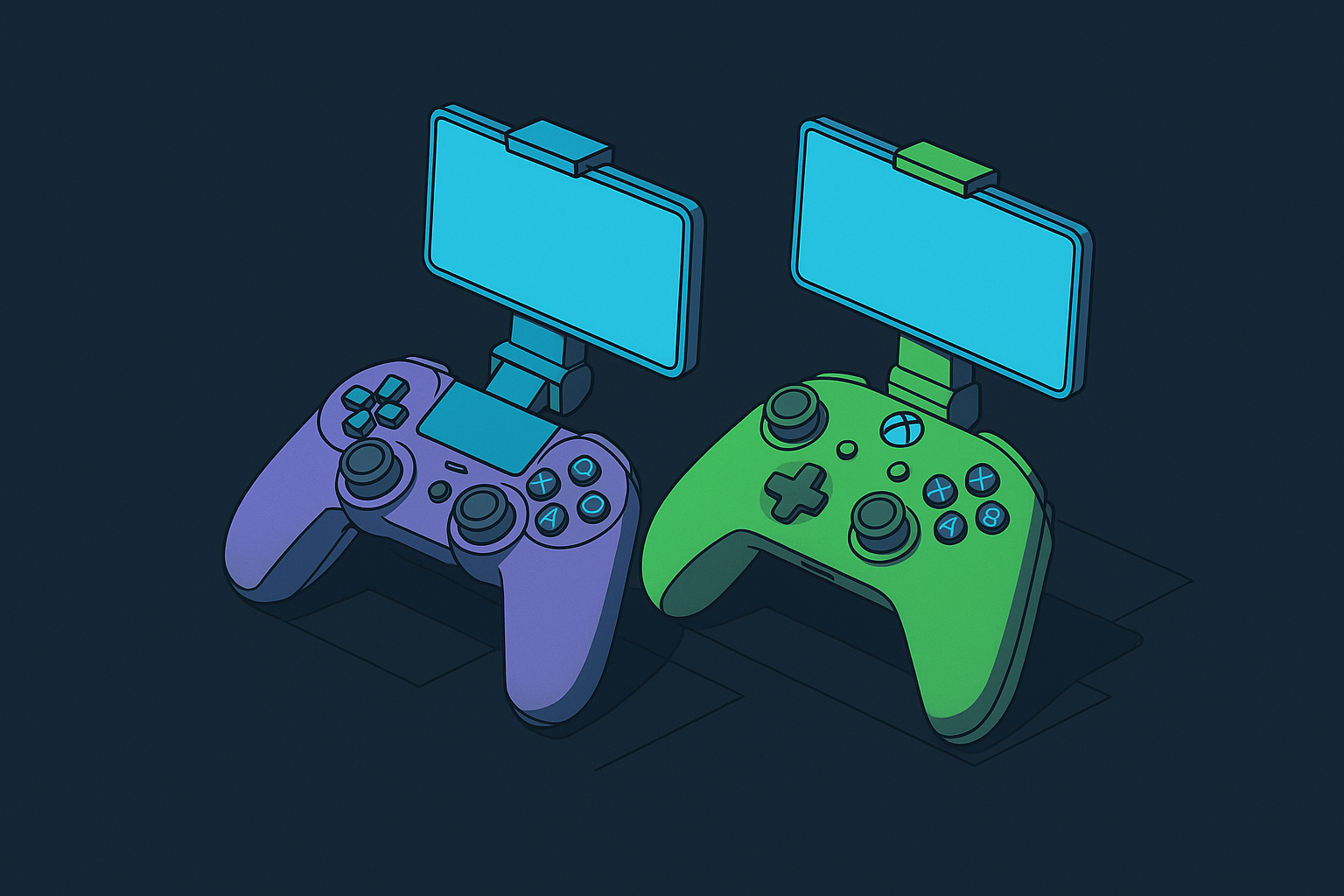
PlayStation and Xbox don't even run the program the same way. PlayStation sticks with one partner at a time, no runner-up waiting in the wings, while Xbox runs something wider, called "Designed for Xbox," licensing several manufacturers at once. Different structure, same underlying fact: the platform holder looked at the hardware and decided to put its name on it. An unlicensed controller never had that conversation with anyone.
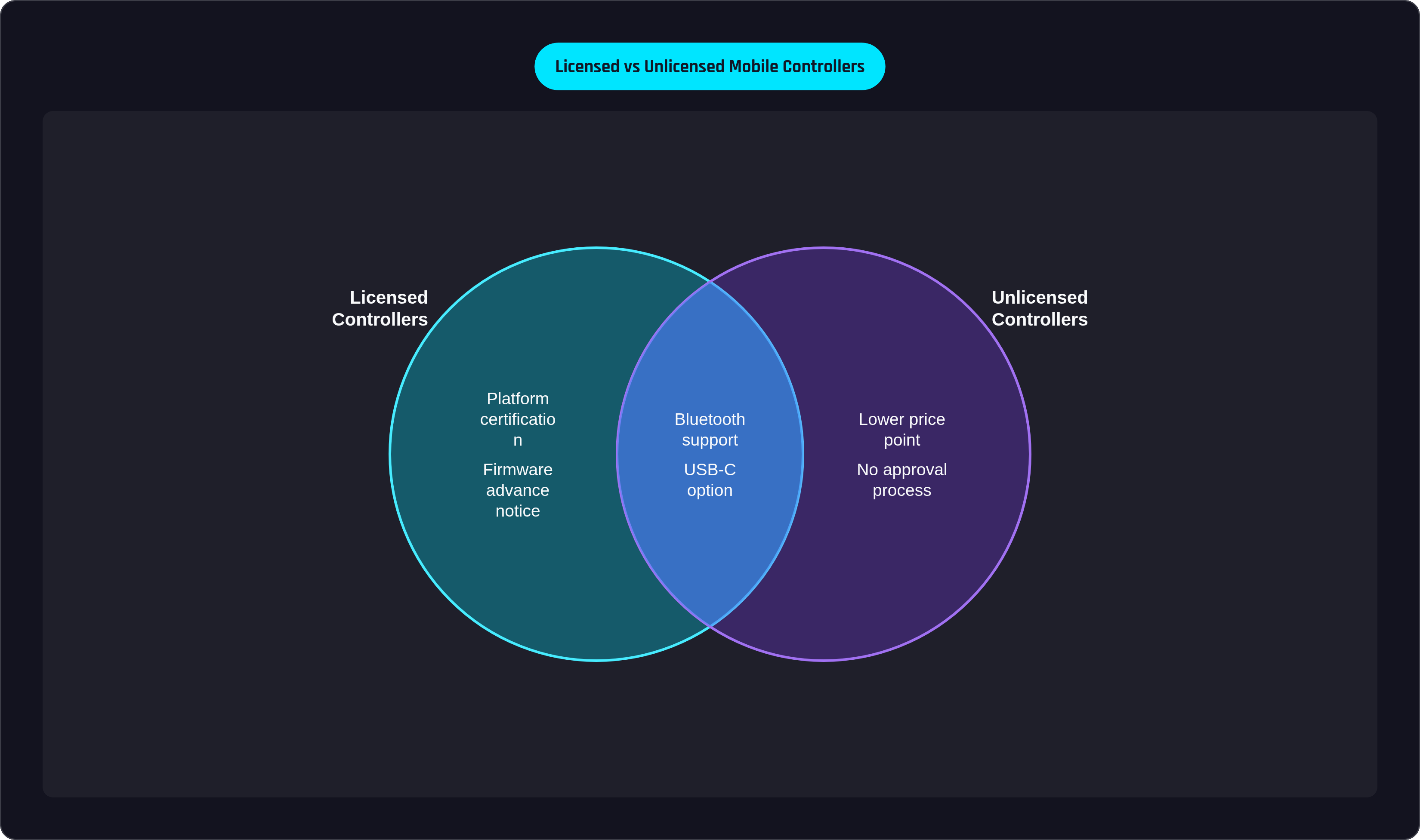
That gap turns real the moment either app pushes an update. Licensed partners get advance notice and firmware timed to match, while unlicensed manufacturers find out the same way you do, by opening the app and watching it fail.
PlayStation's first officially licensed mobile controller was revealed in July 2022, and it wasn't some afterthought release. Per the PlayStation Blog, Sony's own team co-developed it, matching the DualSense down to the transparent face buttons and the floating button design, with Sony in the room while the thing got built. On Android, PS Remote Play officially supports only that PlayStation Edition controller; everything else runs through a workaround Sony never built and never endorsed.
How Xbox's "Designed for Xbox" program licenses multiple products at once
Xbox went wide on purpose. "Designed for Xbox" approves several manufacturers at once, so you get actual choices instead of one SKU sitting alone on a shelf.
Take the 8BitDo Ultimate Mobile Controller, Xbox Edition, around $50. Standalone Bluetooth, two pro-style back paddles, Hall-effect joysticks (more on those in a minute), full remapping through 8BitDo's own Ultimate Software V2. It also carries Apple's official support alongside the Xbox license, meaning the company that makes the iPhone and Sony's biggest console rival both signed off on the same piece of plastic.
Across the Xbox licensing tier, prices span a range from entry-level to premium, every rung carrying the same seal, and every one of them, cheap or expensive, supports Xbox Cloud Gaming on iOS and Android. Whatever else the controller does, it plays nice with the service Xbox actually wants you using.
The technology gap between licensed and unlicensed controllers
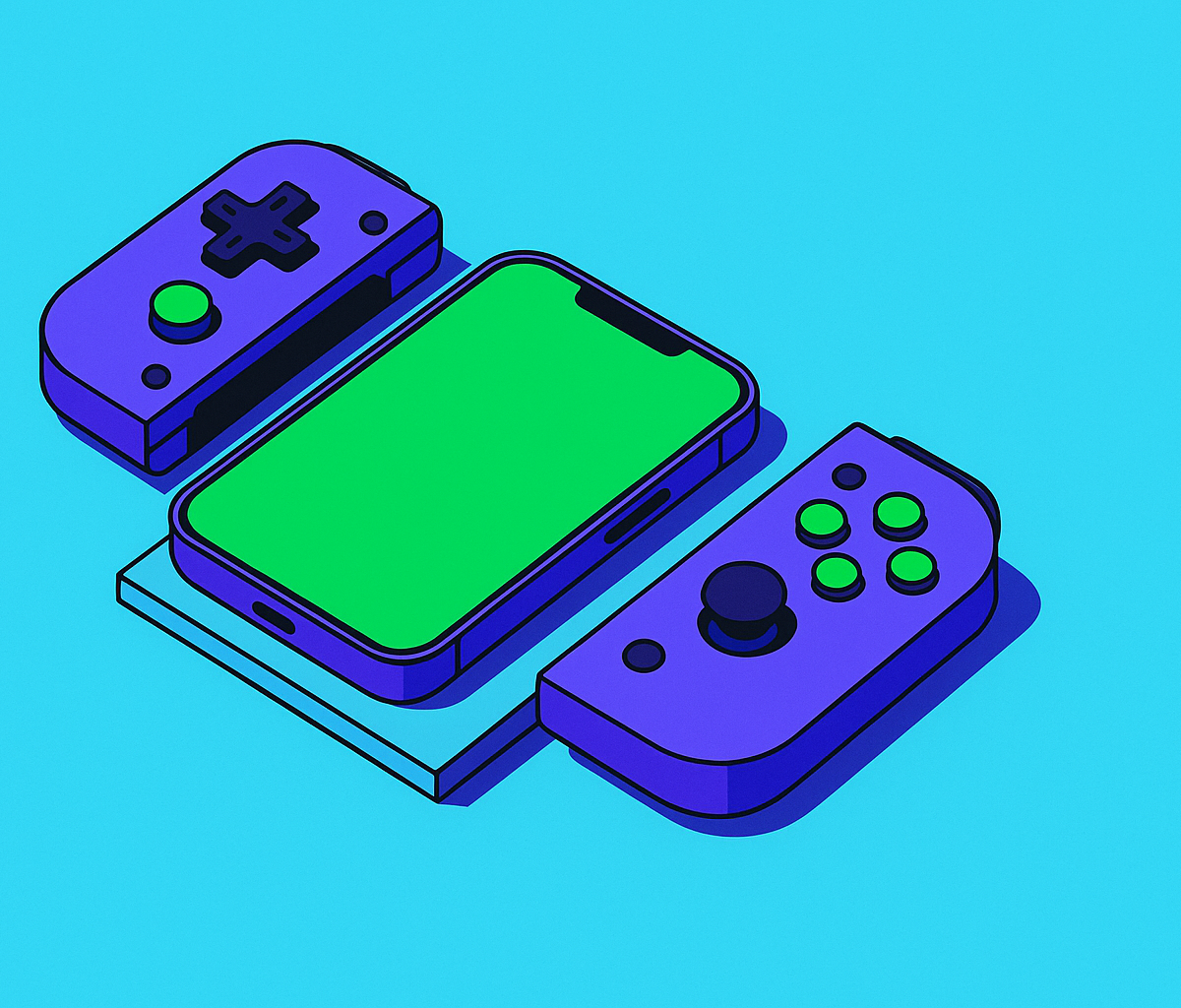
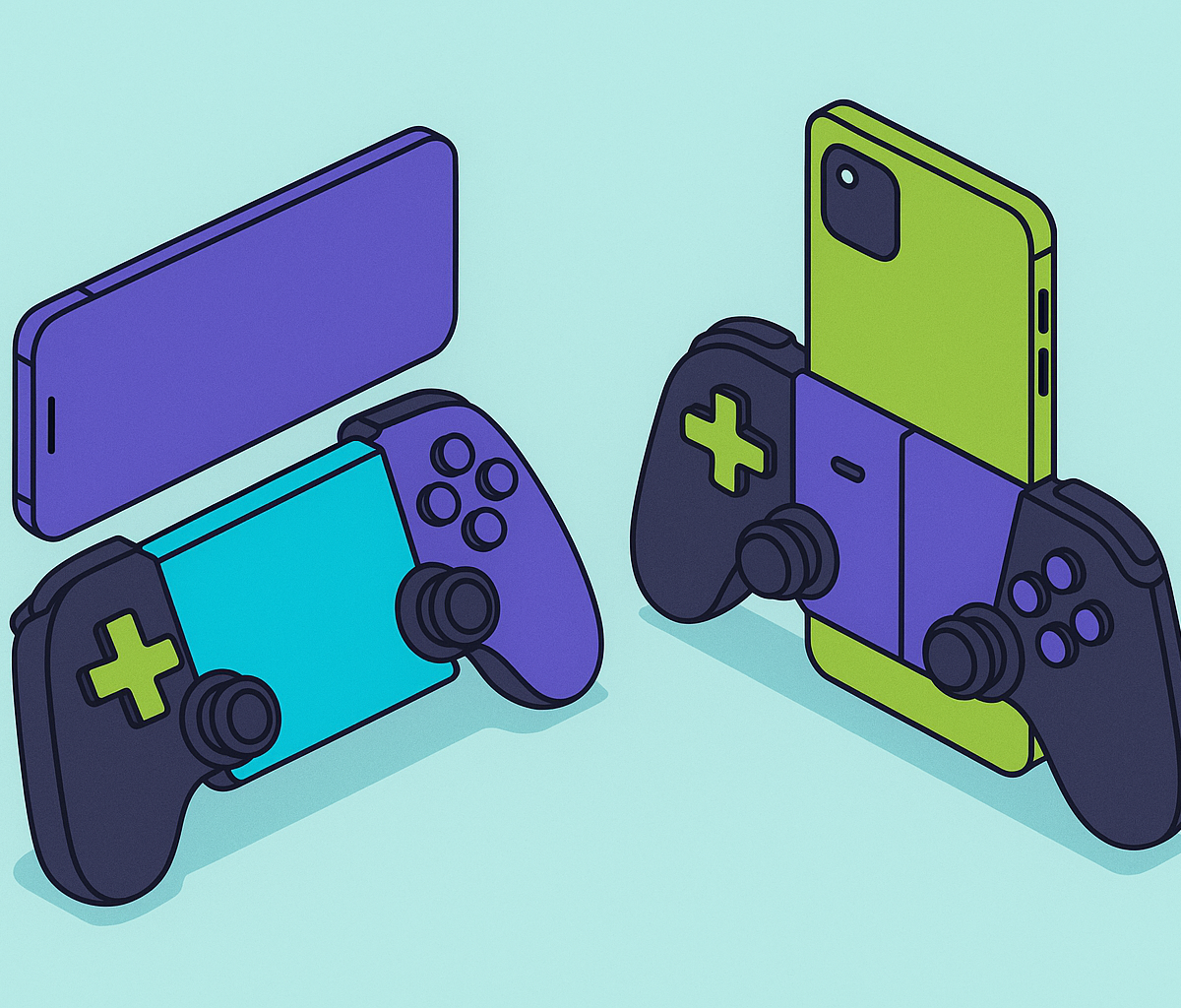
Two form factors dominate the licensed space: USB-C telescopic controllers, where the phone slots straight into the controller body, and Bluetooth standalone units, where the phone sits in a separate clip. Each has tradeoffs, and one of those you can measure with a stopwatch rather than a feeling.
USB-C passthrough lands around 4 to 6 milliseconds of input latency; Bluetooth runs 8 to 12 milliseconds under normal conditions. Playing a turn-based strategy game or a slow narrative adventure? You won't feel either number. Fast-reaction, competitive play is where a handful of milliseconds separates a clean parry from getting hit anyway and blaming the hardware.
Then there's stick drift, the long-standing weakness of cheap analog sticks. Traditional potentiometer thumbsticks wear down physically, and that wear is the drift, slow and steady, like a doorknob that gets looser every year until one day it just spins. Premium licensed hardware mostly moved past it with contactless magnetic sensors: Hall effect, the older and more established version, and TMR (Tunnel Magnetoresistance), the newer one. Neither involves physical contact grinding the mechanism down over months of use.
Apple's move to USB-C on the iPhone 15 also killed the old Lightning-versus-USB-C split, the one that used to force manufacturers to build two versions of everything or force you to carry an adapter around just in case. One licensed USB-C controller now works across nearly every current phone, and licensed hardware keeps working as the platforms change too, because those manufacturers get firmware updates when the apps do. An unlicensed controller's relationship with PS Remote Play or Xbox Cloud Gaming can fall apart the moment either app pushes an update nobody warned you about.
Why licensing creates a durable premium that unlicensed hardware can't fully replicate
Games Radar put it plainly: controllers without official licensing "could run into problems if either company takes a harsher line on third-party mobile controllers." That's how platform-holder relationships with hardware work everywhere else, and phone controllers never got some special exemption. An API restriction or an app change could stop talking to a controller nobody signed off on, and nobody owes that hardware a warning first.
The platform holder has an actual commercial relationship with the manufacturer, and both sides have a reason to keep things running long after launch day. A manufacturer reverse-engineering compatibility and hoping it survives next month's patch is playing a different game entirely.
On price, the gap is real but smaller than you'd guess. Licensed controllers span a range of price points, while capable unlicensed alternatives tend to undercut them on price. That premium buys an enforceable floor on top of the box itself.
And the stakes go past simple annoyance. A majority of players, 62% by one estimate, say they prefer physical controllers for action and shooter games specifically because of precision and ergonomics, and 58% have picked up external controllers just for competitive multiplayer. If you're running PS Remote Play or Xbox Cloud Gaming, the highest-fidelity way to play console games on a phone, the licensed controller is the only hardware the platform holder actually certified to work as intended. Plenty of unlicensed hardware runs fine for months, sure, but licensed hardware carries a quality floor that somebody with real money on the line checks and enforces; unlicensed hardware skipped that whole process and is betting you won't notice.
How to choose between the current licensed options based on how you actually play
So which one do you actually buy? It comes down to four things: which ecosystem you're already in, what phone you're carrying, whether you want wired USB-C or Bluetooth flexibility, and how much you feel like spending on a controller for your phone.
PlayStation players get the simple version of this pitch. A controller built to match the DualSense means the muscle memory from your console sessions carries straight over, no relearning button placement or stick feel required. Same controller, smaller body, nothing to think about.
Xbox players hit more forks in the road, since the program approves several manufacturers instead of crowning one. At the entry level, the 8BitDo Ultimate Mobile Controller gives you Bluetooth flexibility, back paddles and both Apple and Xbox certification on the same device. That combination doesn't come around often.
Worth watching: interest in tactile, physical controls among younger mobile players is notable, with 66% of Gen Z gamers citing it in the data behind this piece, and platform holders seem to be treating this category as a long-term bet, not a side hustle. The engineering differences above, the latency numbers, the Hall-effect and TMR sticks, firmware that survives an app update without breaking, matter for exactly that reason. They show up in real products, the Backbone controller line among them, where licensed status turns into performance you can actually feel.
The narrower question worth asking is which licensed controller actually matches the platform services you're already paying for every month. Once you know that answer, the shopping list writes itself.